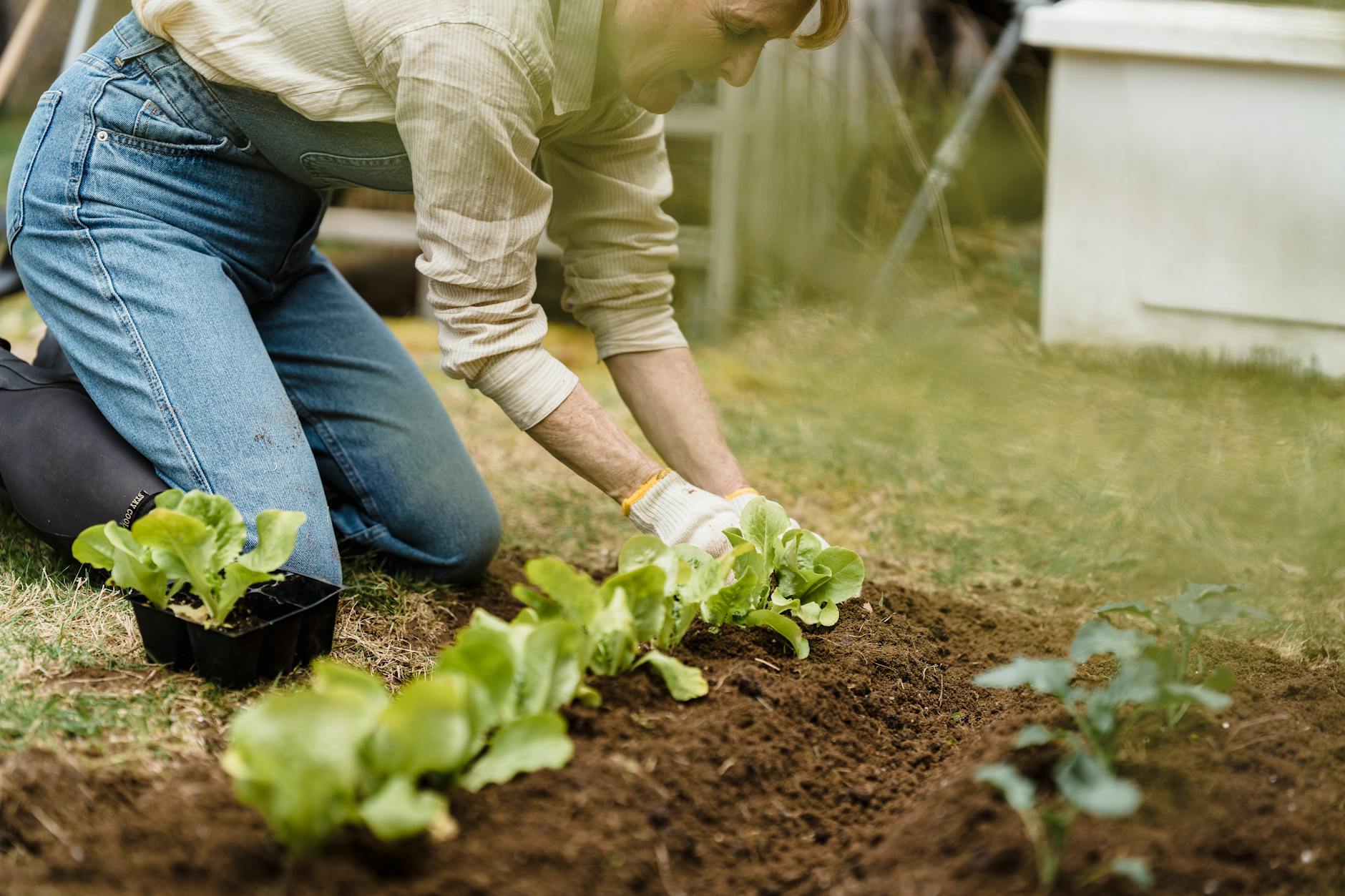
We have four raised beds in the backyard, each 4 by 8 feet and 18 inches deep, built out of cedar boards with metal corner brackets from Vego. I filled them the first year with bagged raised-bed mix from the garden center, which was a thing I did because I was exhausted from building the beds and wanted to plant something. The mix was fine for one season. The second year, the beds had compacted by four inches and looked tired. That is when I actually learned about soil.
Since then, we have iterated on a mix for four springs, and the version I am going to tell you about is what I used this April, which I am confident enough in that I want to write it down before next spring inevitably changes my mind about something small.
The mix, by volume
For one 4x8 bed that is 18 inches deep, which is 48 cubic feet of soil, I use:
Base layer (bottom 6 inches):
  Rough compost / partially decomposed leaves: 16 cu ft

Middle layer (6 inches):
  Screened topsoil (from local delivery): 12 cu ft
  Finished compost (homemade or Malibu): 4 cu ft

Top layer (6 inches):
  Finished compost: 8 cu ft
  Coconut coir (Coco Bliss bricks, hydrated): 4 cu ft
  Worm castings (1 cu ft bag, Wiggle Worm): 1 cu ft
  Perlite (medium-grade): 3 cu ft

Amendments (mixed into top 6 inches):
  Dr. Earth Starter Fertilizer: 3 cups
  Kelp meal: 2 cups
  Bone meal: 2 cups
  Azomite (trace minerals): 1 cup
  Crushed eggshells, saved all winter: 1 quart
That is for a brand new bed or a bed I am tearing down and rebuilding. For annual refreshes, which I do every spring, I only rebuild the top 6 inches. I pull off the top 6 inches, stir the bottom layers with a broadfork, and replace the top with the top-layer recipe above plus whatever amendments feel right for what I am growing next.
Why the three layers
The base: rough compost
The bottom layer does not need to be high-quality planting mix. Most vegetables root in the top 8 to 12 inches of a bed. What you want under that is something bulky, slow to break down, and good for drainage. I use rough compost from the city of Portland’s Metro yard, which is very partially decomposed leaves and yard debris and costs around $35 per cubic yard delivered. It breaks down over a year or two into real soil, and acts like a giant slow-release nutrient sponge for the layers above.
You can also use hugelkultur-style wood logs for the bottom layer, though I have stopped doing this because the soil sinks dramatically for the first three years as the wood rots. Rough compost gives you a more stable bed.
The middle: topsoil and compost
This is the transition layer. Real garden soil with some compost mixed in. I get screened topsoil delivered from Gales Creek Topsoil at around $28 per yard, and I mix it 75/25 with finished compost. This layer gives the bed real weight and structure, which matters for plants like beans and tomatoes whose roots go deeper than you think.
The top: the engine room
The top 6 inches is what does the actual work, and it is where I am willing to spend real money. Finished compost, coconut coir, worm castings, and a modest amount of perlite.
- Finished compost is where nutrients and microbes come from. Homemade from our tumbler if I have enough, otherwise Malibu Compost or GroCo from the local hardware store.
- Coconut coir does what peat moss used to do in old recipes, which is hold water without compacting. I use coir instead of peat because peat mining is an environmental disaster and coir is a byproduct of existing coconut processing. One hydrated brick of Coco Bliss (11 lbs dry, expands to ~17 gallons) is plenty for two raised beds.
- Worm castings are biologically active fertilizer in a way mineral fertilizers simply are not. A one-cubic-foot bag of Wiggle Worm sprinkled through the top layer changes how seedlings establish. I would not skip this.
- Perlite keeps the mix from compacting and improves drainage. Medium-grade, not fine. Fine perlite blows away.
The amendments, and why each one
These go into the top 6 inches only, lightly raked in just before planting.
- Dr. Earth Starter Fertilizer (2-4-2). A balanced organic fertilizer that feeds slowly over a whole season. Nothing beats it for reliability and it is hard to over-apply.
- Kelp meal. Trace minerals, cytokinins, and a gentle potassium boost. I am not going to tell you there is magic in kelp meal, but I can tell you my plants grow visibly better with it than without it, repeatably, three years in a row.
- Bone meal. Phosphorus, which soils in the Pacific Northwest are often low in. Matters for root crops and for any plant you want to flower (tomatoes, peppers, squash).
- Azomite. Volcanic rock dust, the closest thing to a true trace-mineral supplement. Controversial among some gardeners, but it is cheap and I have seen enough side-by-side results to keep using it.
- Crushed eggshells. Calcium, which helps prevent blossom end rot in tomatoes and peppers. I save them all winter in a jar on the windowsill, crush them with a rolling pin the morning of bed prep, and work them in.
Where I buy things
In Portland I go to Concentrates on SE Foster for bulk amendments (kelp meal, bone meal, azomite, Dr. Earth). Portland Nursery has reliably good compost and coir bricks. Gales Creek Topsoil delivers. For worm castings, Down to Earth at Concentrates is fine, but I genuinely prefer the Wiggle Worm bags from the hardware store because they are consistently processed and have less dead weight.
If you do not have local bulk suppliers, everything can be ordered bagged from Home Depot or Amazon. It will cost twice as much. For one bed, that is fine. For four beds, the math pushes you toward delivery.
What this mix costs
Ballpark, for one full 4x8x18 bed built from scratch:
Bulk rough compost (0.6 cu yd):        $22
Bulk topsoil + compost (0.5 cu yd):    $28
Bagged compost (8 cu ft):              $42
Coconut coir (2 bricks):               $28
Worm castings (1 cu ft):               $26
Perlite (large bag):                   $32
Amendments (full round):               $40
                                      -----
Total per bed (first fill):          ~$218
The annual refresh (top 6 inches only, plus amendments) runs about $55 per bed. That is the number that matters long-term, because you only build a bed from scratch once. If you are comparing to bagged raised-bed mix at $8 per cubic foot, my first-fill cost is actually lower per cubic foot and noticeably better performing.
What I changed this year
Last year I was using vermiculite instead of perlite because I had a bag left over. It works, but perlite drains better in our wet springs and I had root issues last April that I am pretty sure were wet-feet problems. I also added the kelp meal amount to 2 cups per bed, up from 1 cup. The plants looked slightly better. Next year I may try a mycorrhizal inoculant at planting. I have avoided this so far because the research is mixed on whether it helps in already- alive compost, but I want to test it side-by-side.
The best soil mix is the one you will actually refresh every spring. The second-best mix is the one that is still producing after three years of neglect. Aim for the second one when you build, and the first one when you have a quiet Saturday in April.
Bottom line
Build in three layers, spend the money on the top six inches, and plan for an annual refresh that costs roughly what a nice bottle of wine would. Use coir not peat, add worm castings, and do not skip the amendments. If you get this right the first year, your beds will repay you in tomato weight and lettuce tenderness for as long as you keep caring for them. Mine have been growing in some version of this mix for four springs now, and every spring I am a little smugger about how it looks when I plant the first seedling.