Winter garden maintenance articles read like the gardener has nothing else happening in their life between November and March. I am here to tell you the actual short list. There are ten things I do every winter here in Portland, zone 8b, and skipping any one of them has concrete consequences I can describe because I have skipped them. Everything else is optional, aesthetic, or somebody else’s problem.
1. Clear the raised beds, but selectively
Not every bed gets stripped bare. I pull out anything that was diseased (tomato plants with any sign of early blight, squash with powdery mildew), anything that has slimy mush for foliage, and anything that will re-sprout next year as a weed. Everything else gets cut to the ground and left where it falls, which means the roots continue to decompose in place and improve soil structure.
Pepper plants, bean plants that were healthy, herb stems, the dried skeletons of cosmos and zinnias. All chopped and left. Worms find them within a few weeks. By March the beds look clean again.
2. Mulch everything thickly
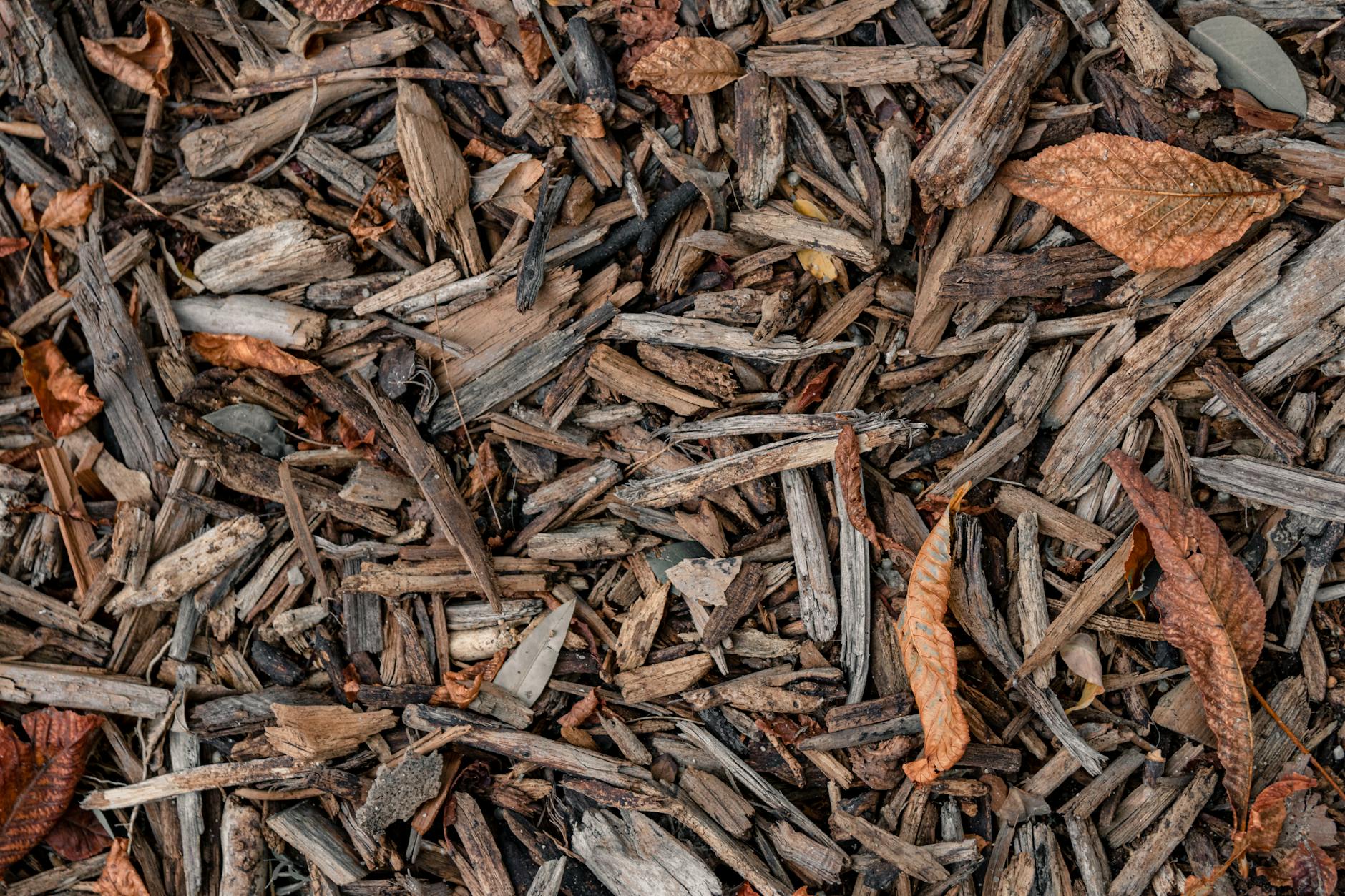
If you do nothing else on this list, do this one. A 3-inch layer of mulch over every bed in November, before the ground freezes or saturates, does four things: holds soil moisture, regulates soil temperature, feeds soil microbes slowly through winter, and suppresses early-spring weeds.
I use shredded leaves, bagged in October and aged for a few weeks, for vegetable beds. I use arborist wood chips (free from ChipDrop) for ornamental beds and paths. Straw if I have run out of leaves, though straw can harbor seed for the kind of grass you do not want.
The year I skipped mulching the front border because I got busy, three of my lavenders died from saturated soil, and every bed came up to weeds two weeks earlier than normal. Never again.
3. Plant garlic, if you did not already
Garlic goes in the ground in October or early November and sits through winter. I do about 25 cloves each year, which is enough garlic for our household and for sharing. Hardneck varieties (‘Music’, ‘Chesnok Red’) for Portland. Southern gardens can do softnecks (‘California White’, ‘Inchelium Red’).
Plant pointy-side up, 3 inches deep, 6 inches apart, mulch deeply with straw. They will push green tips up in late winter and be ready to harvest in July. If you missed the October window, you can still get away with November as long as the ground is workable. Any later and yields drop.
4. Winter-sow seeds for next spring
Winter-sowing is the practice of planting cold-stratification- loving seeds into clear jugs or containers in December or January, setting them outside, and letting winter do the germination work for you. Echinacea, milkweed, columbine, lupine, anything native or cold-adapted.
Gallon milk jugs cut horizontally two-thirds of the way up, filled with 3 inches of potting mix, seeded, watered in, jug closed with duct tape, cap off for drainage. Set them against a north wall and leave them. Germination happens in March or April when the temperatures are right, and you have free seedlings already hardened off to outdoor conditions. I learned this from a Facebook group called The Winter Sowers (yes, really) and it is one of the best habits I have picked up as a gardener.
5. Maintain your tools
December is when I clean, sharpen, and oil every garden tool before putting them away for the winter. Pruners, loppers, shovels, spades, hoes, shears. This is half an hour of work and it extends tool life by years.
Tool winterizing, in order:

1. Rinse off all dirt with the hose
2. Let dry fully
3. Wire-brush any rust
4. Sharpen blades (Felco stone for pruners,
   10" mill bastard file for shovels/hoes)
5. Wipe metal with linseed oil or 3-in-1
6. Oil wooden handles with boiled linseed oil
7. Hang on the pegboard, out of reach of damp

Supplies, one-time:
  Felco sharpening stone:     $18
  Mill file with handle:      $12
  Bottle of 3-in-1 oil:       $6
  Quart boiled linseed oil:   $14
                            -----
                             $50
6. Protect tender perennials
In zone 8b this is fairly minimal. Some years I lose things anyway. What I protect:
- Dahlia tubers. I dig after first frost, brush off dirt, let them dry for a few days in the garage, pack in peat moss (or vermiculite) in cardboard boxes, store in the unheated basement at 40-50°F. Mine have kept for three years this way.
- Marginal fig tree. I wrap the trunk in burlap and pile a foot of straw at the base. Worth it because a mature fig takes years to replace.
- Container roses. Pots go into an unheated shed or under the porch overhang. The bigger risk is the roots freezing solid in a small pot, not the tops.
- Pelargoniums (geraniums). Mine overwinter in the basement by cold-storing them: cut back hard, bare-root, wrap in newspaper, check quarterly for mold. Replant in March.
7. Plan next year’s rotations
December is when I sit with a cup of tea and map next year’s vegetable beds. Tomatoes should not go in the same bed as the previous year. Brassicas want a two-to-three year rotation. Legumes go where heavy feeders were last year (beans fix nitrogen, tomatoes used it).
I keep a simple spreadsheet. Four beds, four columns, years going down. What was in each bed each year. This is the only way I have ever successfully executed crop rotation on a home scale. Trying to remember from memory in April never works.
8. Order seeds early
The good varieties sell out by February. By that I mean: any heirloom tomato, most interesting peppers, Johnny’s most productive lettuce mixes, Row 7 anything. January is the best time to order. You will also get better pricing than in March, when seed companies have raised prices for peak demand.
My regular rotation: Johnny’s Selected Seeds for most vegetables, Botanical Interests for flowers and herbs, Baker Creek for oddballs and heirlooms, Row 7 for the newer breeder stuff. Territorial Seed for Pacific Northwest-adapted varieties.
9. Do one soil test every three years
Not a kit from the hardware store. A real one from your state extension service. In Oregon it is through the OSU Extension, about $50 for a professional soil test including pH, macronutrients, organic matter, and cation exchange capacity.
I do this in rotation, one bed per year (or per cluster). The results let me amend specifically: my soil runs slightly acidic (pH 5.9) and low in calcium, so I add lime and crushed eggshells every few years. Before I tested, I was adding the same handful of everything to every bed, most of which was not needed. Testing saved me money on amendments I did not need and fixed things I did not know were missing.
10. Wait
The hardest winter chore is not doing anything. When the thaw comes in January and you get a warm week, the temptation to start prepping beds is enormous. Resist it. Working wet soil compacts it, ruining its structure for the next six months. A soil that crumbles in your hand when you squeeze it is workable. A soil that holds the shape of your fist is not.
I set a mental calendar for March 1 here in zone 8b. No major soil work before then, regardless of what the weather is doing. Pruning, tool maintenance, seed starting indoors, fine. Digging and amending outside, no. This rule has prevented more damage than any other piece of garden discipline I practice.
What I don’t bother with
Just to be clear about what is not on this list:
- Washing pots and trays. I do it in March with the hose.
- Cover crops. Tried them, the labor-to-benefit ratio did not work in my raised beds. In-ground gardeners should consider them.
- Elaborate cold frames. A Harbor Freight greenhouse was a mistake in year three. Too much maintenance for too little winter yield in my climate.
- Deep pruning on fruit trees before January. Wait for dormancy.
- Fertilizing anything. Plants are not growing, they do not need it.
Bottom line
Winter garden maintenance is about protecting what you built and preparing for what comes next. Mulch heavily, plant garlic, clean your tools, winter-sow some seeds, protect a few tender things, and wait for spring. If you do the ten things on this list and nothing else, your garden will be visibly healthier in April than a neighbor’s who spent the whole winter on elaborate projects. The garden does most of its own work between November and February. Your job is to stay out of its way and get ready to show up in March.